Modules, inverters, charge controllers, and complete grid-tied or off-grid systems, inspected before they ship.
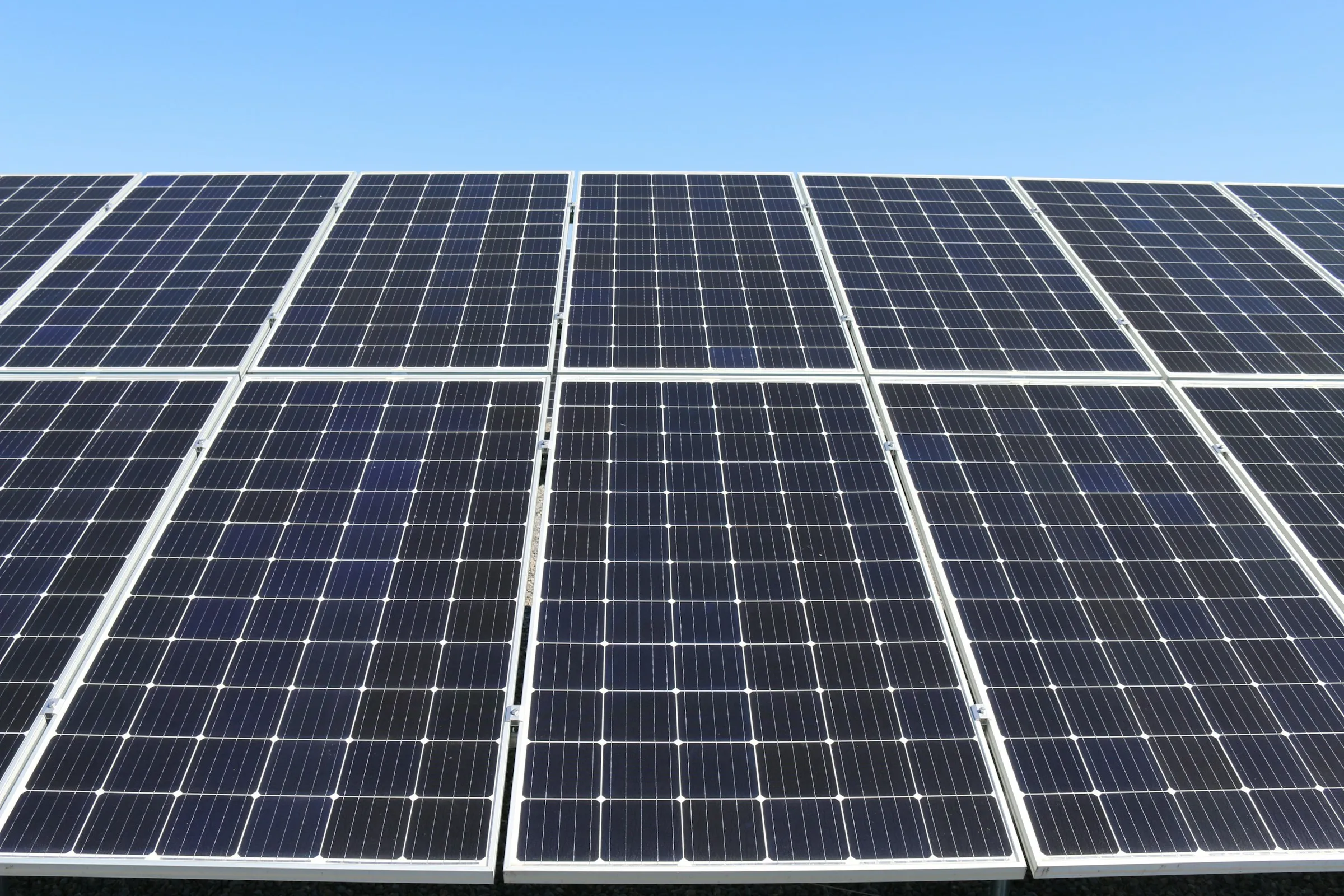
Monocrystalline PV modules, including bifacial
Grid-connected PV systems
Stand-alone (off-grid) PV systems
Solar charge controllers and inverters
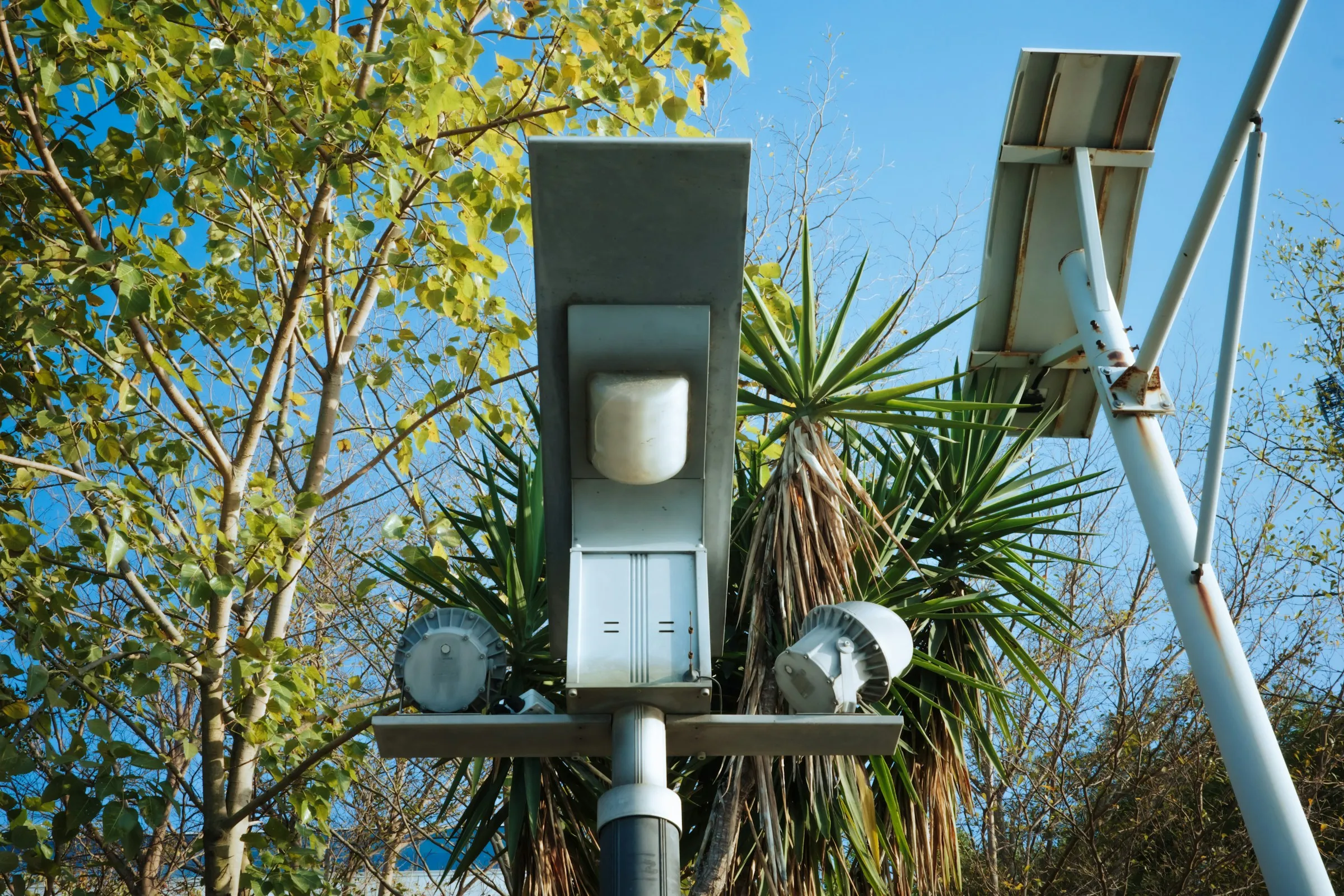
Solar lighting (road, garden, and lantern lights)
This is our founding line of business: we’ve supplied solar modules and systems since 2009.
What we supply
PV modules: monocrystalline panels, including bifacial models, from manufacturers we’ve audited, with CE, UL, and IEC certification.
Grid-connected systems: the simplest, most cost-effective design for sites with reliable grid power, a PV array paired with a grid-tied inverter.
Stand-alone systems: for sites without grid access or where grid connection isn’t cost-effective, PV arrays combined with battery storage and, where needed, a backup generator.
Balance-of-system components: charge controllers, inverters, and mounting hardware sized to the system.
Solar lighting: road lights, garden lights, and portable solar lanterns for off-grid and remote-area use.
Solar street lights need no cable to the grid: the panel, battery, and LED lamp work together on a single pole.
Which system fits your site
Most of what we supply ends up in one of three setups. Which one fits depends on whether you have a grid connection, and how far you can trust it.
Off-grid system. For sites with no grid at all. The battery stores daytime solar for the night, and an optional generator covers long cloudy spells.Hybrid system. Solar first, battery second, grid or generator as backup. The best fit where the grid is unreliable, because appliances keep running through outages.Grid-tied system. Cuts the power bill where the grid is reliable. With no battery, the inverter shuts down when the grid fails, so it gives no backup during outages.
What we check before shipment
Power output and tolerance against the datasheet, EL images to catch micro-cracks you can’t see with the eye, frame and glass condition, salt-mist corrosion resistance for coastal sites, and packaging that survives the route to your port. We report findings before goods leave the factory, not after they arrive.
Have a spec or a target volume in mind?
Send it over and we'll quote it, delivered to your port.